

← Back to your guide
Copper Mountain, Colorado
Buyer guide · Copper Mountain, Colorado

Buying at Copper Mountain, Colorado

Copper Mountain is a purpose-built resort community in Summit County, built around Copper Mountain Resort and sitting right off Interstate 70 at the base of Fremont Pass. Unlike the county's historic mining towns, it was designed as a self-contained ski village — lodging clustered at the lifts, three base areas, and terrain known for dividing itself naturally by difficulty. This guide explains how Copper works as a place to own, and how a resort base compares to a town base, in plain terms and without invented numbers.

Start here

Where Copper sits — and why that shapes it

Copper Mountain is in Summit County's central high country, reached from the Denver metro by driving west on Interstate 70 over the Continental Divide. It sits right at the interstate, near where I-70 meets Highway 91 at the base of Fremont Pass — which makes it one of the more interstate-convenient resort bases in the county. Frisco, Dillon, Silverthorne, and Breckenridge are all a short drive away.

What sets Copper apart from Breckenridge or Frisco is that it isn't an old mining town that grew a ski hill — it's a purpose-built resort community, designed from the ground up around Copper Mountain Resort. The real estate reflects that: instead of a Victorian Main Street with homes fanning out from it, Copper is organized as base villages at the foot of the mountain, with lodging built for proximity to the lifts. That design is the whole point for many buyers, and the main trade-off for others.

One a note up front: this page won't quote prices, medians, or market statistics. Those move constantly and vary widely by property type, location, and season. Where a current figure matters, verify it with the Summit County Assessor (for property and valuation records) and the local MLS or board of REALTORS (for active-market conditions), rather than trusting a number pulled from the air.

The base

Copper's three base villages

Copper's lodging and slopeside real estate are organized around three base areas at the foot of the mountain. They differ in feel and activity level rather than in being far apart — all three sit at the base of the same resort.

Main hub

Center Village

The primary base and the busiest of the three — the pedestrian core where much of the dining, lodging, and day-to-day activity clusters. For buyers, it tends to mean the most amenities within walking distance of the lifts, and the most foot traffic and energy at the base.

Quieter side

East Village

A smaller, generally quieter base area on the east side of the resort, associated with access to Copper's more advanced terrain. A fit for buyers who want lift proximity with less of the crowd and activity concentrated in Center Village.

West end

West Village

The base area on the west end of the resort, more compact and low-key than the Center Village hub. Like the others it is oriented around lift access, offering a base-of-mountain location with a calmer footing.

Village boundaries, lift assignments, and what's open in a given season can change with the resort's operations — treat the three-village layout as the general shape of the base, and confirm the specifics for any particular property and season directly.

The mountain

Terrain that divides itself naturally

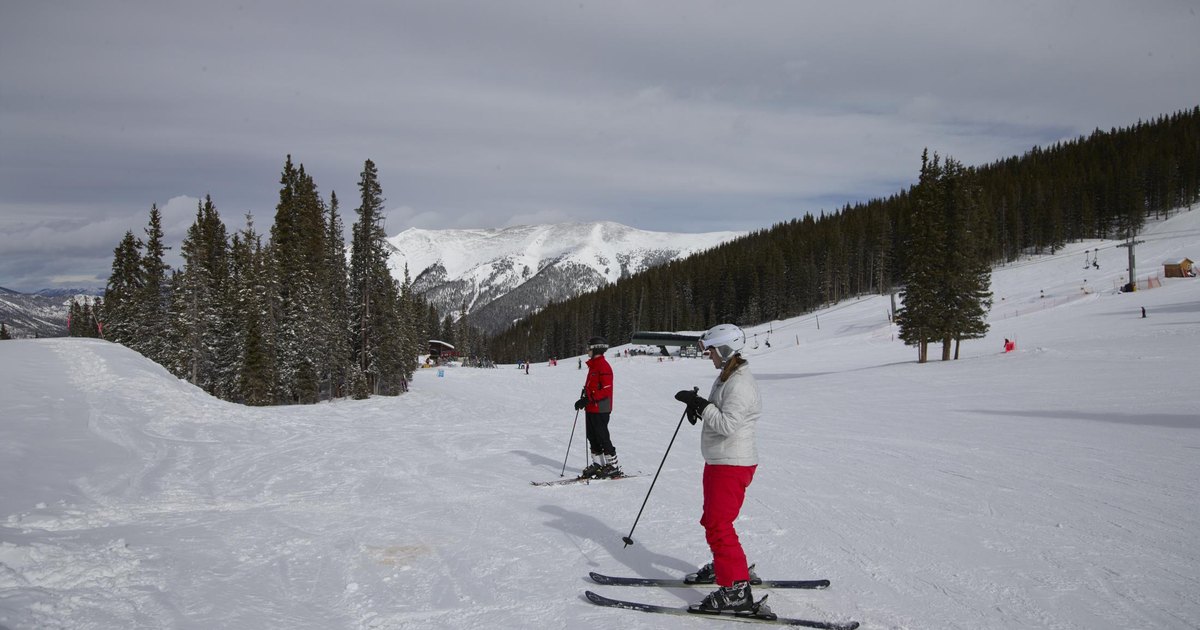
Copper Mountain is well known for the way its terrain sorts by difficulty across the mountain — the easier runs and the more advanced terrain tend to fall into different areas rather than being mixed together. That natural division is part of Copper's identity as a mountain, and it shapes which base area a given skier gravitates toward.

For a buyer, the takeaway is less about any single statistic and more about how you'll use the mountain: which terrain you ski most, and therefore which base — Center, East, or West — puts you closest to it. Specific trail counts, acreage, and lift details are resort operational facts that change over time; confirm current details with the resort directly rather than relying on a number quoted here.

The market

What ownership looks like at Copper

Copper's real estate is oriented to the resort. The inventory is largely condominiums and townhomes in and around the three base villages, with a meaningful share of it ski-in/ski-out or a short walk from a lift. This is a slopeside market first, not a market of detached homes on lots — the whole community was built around proximity to the mountain.

Because so much of the lodging is designed for visitors, a large portion of Copper properties is used for nightly and short-term rental at least part of the year. Many buyers therefore weigh rental use alongside personal use — how often they'll use the place themselves versus how often it will be rented. That mix is common in resort-base ownership and is worth thinking through before buying.

A key structural point: Copper Mountain is unincorporated — it is not its own incorporated town with a separate town government. That means short-term-rental and land-use rules are set at the Summit County level, and many properties are also governed by HOA or resort-management rules. Short-term-rental regulations change over time. If you intend to rent, verify the current short-term-rental rules with Summit County before buying to rent, and confirm the HOA or association restrictions for the specific property — don't assume a unit can be rented the way you expect.

As with the rest of this guide, no prices here: property types, sizes, and locations vary widely, and current inventory and valuation belong to the Summit County Assessor and the local MLS or board of REALTORS, not to any single quoted number.

Resort base vs. town base

How a Copper base compares to a town base

The clearest way to understand Copper is to compare it with a town like Breckenridge or Frisco. Both are valid; they suit different buyers.

An all-in-one resort village. At Copper, the mountain, the lodging, the base-area dining, and the lifts are designed as a single, self-contained package right at the interstate. You can often walk from your door to the lift and to the base amenities. The appeal is convenience and a ski-forward layout with everything clustered at the base.

A walkable town. A town base like Breckenridge or Frisco offers a standalone Main Street, a broader mix of year-round shops and restaurants, and a community that exists independently of the resort's operating calendar. The appeal is town life — more variety, more of a lived-in feel, and activity that doesn't depend on the ski season.

Interstate access. Copper's position directly off I-70 is a practical advantage for trips to the Front Range and for winter driving, and it is one of the reasons buyers choose the base over a farther-in town address.

The trade-off. A resort base concentrates everything around the mountain and its season; a town spreads life across a downtown that runs year-round. Neither is better in the abstract — it depends on whether you want a self-contained ski village at the lifts or a walkable town with the resort nearby.

Common questions

Where is Copper Mountain, Colorado?

Copper Mountain is a purpose-built resort community in Summit County, Colorado, sitting right off Interstate 70 at Exit 195, near the base of Fremont Pass (Highway 91). It is built around Copper Mountain Resort in the county's central high country, west of the Continental Divide.

Because it is directly on I-70, it is one of the more interstate-convenient resort bases in Summit County, within a short drive of Frisco, Dillon, Silverthorne, and Breckenridge.

What kind of real estate is at Copper Mountain?

The Copper Mountain market is oriented around the resort — largely condominiums and townhomes clustered in and around the three base villages (Center Village, East Village, and West Village), many of them ski-in/ski-out or a short walk from a lift. A large share of the inventory is used at least part of the year for nightly and short-term rental, so buyers often weigh rental use alongside personal use.

Property types, sizes, and locations vary; for current inventory and valuation, use the Summit County Assessor and the local MLS rather than any single quoted figure.

Can I rent out a Copper Mountain property short-term?

Copper Mountain is an unincorporated resort community, so it is not its own town — short-term-rental and land-use rules are set at the Summit County level rather than by a separate town government, and individual properties may also be subject to HOA or resort-management rules.

Short-term-rental regulations change over time. Before buying with the intent to rent, verify the current short-term-rental rules directly with Summit County, and confirm any HOA or association restrictions for the specific property, rather than assuming a unit can be rented the way you expect.

Free guide

Get the Routt County Buyer's Guide

An honest, area-by-area read on Steamboat, Hayden, Oak Creek, Stagecoach and North Routt — what each place is really like, and what to weigh before you buy. Just your email; I'll send it right over.

One email, no spam — unsubscribe anytime. Prefer to talk? Call or text.

Working with a Copper Mountain agent?

Joel E. Bernardini, Coldwell Banker Distinctive Properties — (970) 310-8891

Last updated: July 27, 2026