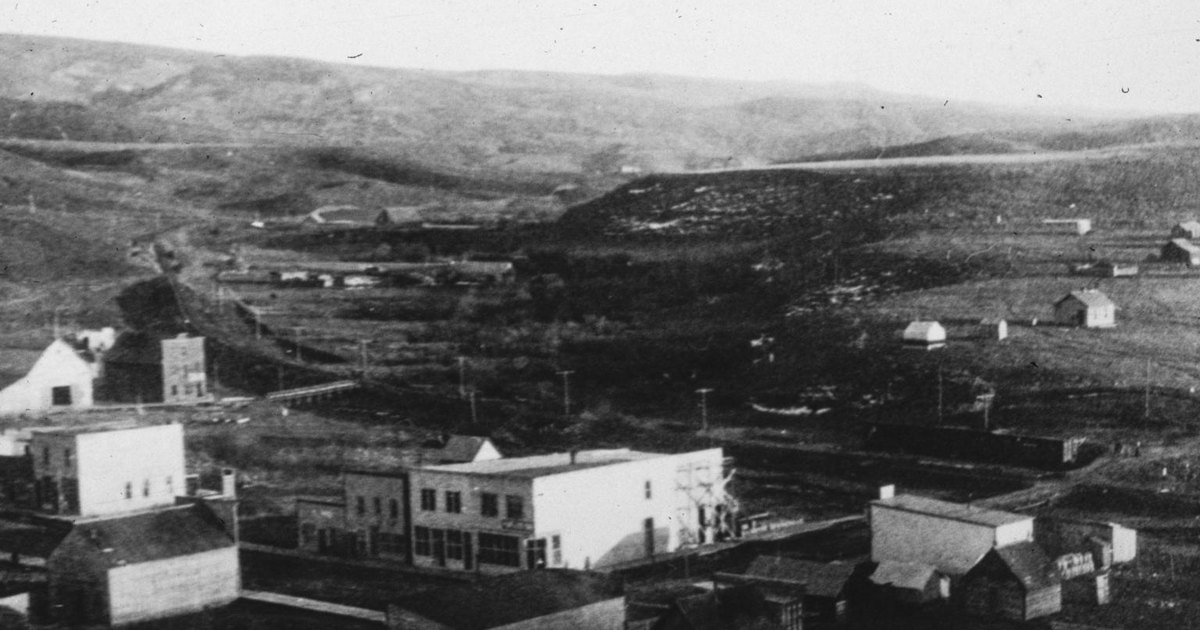
Rural land and acreage in South Routt County, Colorado
Wells · Septic (OWTS) · Water rights · Rural due diligence

Owning the land isn't owning the water.

On rural mountain property, the well and the septic are the part buyers underestimate most — and in Colorado, a well is a permit to use water under set conditions, not unlimited water that comes with the dirt. None of this is a reason to avoid rural land. It's a reason to verify the specific property while you still have time to act. I'm a broker, not a well driller or water attorney, but I'll tell you what to check and get the right people on it.

What to actually know

Most rural mountain homes run fine on a well and a septic system for decades. The trouble isn't that wells and septic are bad — it's that buyers assume they work like city water and sewer, and find the gaps too late in the timeline to do anything about them. Colorado makes this its own subject: water here is allocated by prior appropriation ("first in time, first in right"), so water rights attach to a priority date and a beneficial use, not to whoever owns the ground. A well permit from the Colorado Division of Water Resources authorizes a well to use a limited amount of water under stated conditions. That is a different legal thing from an adjudicated water right, and a rural buyer can encounter one, both, or neither.

So the job isn't to scare you off a cabin on five acres. It's to verify four things in time: what the well permit actually allows, what the well actually produces and whether the water is clean, whether any shared well has a recorded agreement, and what condition the septic is in. The genuinely common, avoidable problems are a permit-versus-use mismatch, an unverified yield, a missing shared-well agreement, and a septic surprise. I flag each one, put it in your due-diligence window, and bring in the driller, the septic inspector, the county, and — where water rights are in play — a Colorado water attorney.


What to verify

Four things that decide a rural deal.

The permit

What the well is allowed to do

Colorado exempt wells are limited to a defined set of uses, and the allowance depends largely on parcel size — a smaller parcel is often household-use-only inside one home (no lawn, garden, or livestock), while a larger qualifying parcel can allow more. There's no blanket rule, so we confirm the exact permitted uses with the Division of Water Resources, and check that how the property is used actually matches the permit.

Water rights

A separate, adjudicated thing

Prior appropriation means the water isn't yours just because the land is. If you want more than an exempt well allows — extra irrigation, a subdivision, commercial use — you can land in water-court and augmentation territory. For most single-home buyers this stays simple, but when it isn't, I'll route you to a Colorado water attorney before you count on it.

Yield & quality

How much, and is it clean

A flow test measures sustained gallons per minute; a few gpm is a common rule-of-thumb for a single home, but mountain wells vary seasonally with the water table, so timing matters. Test the water at minimum for bacteria (total coliform / E. coli) and nitrates. Lenders often require the water to be potable, so this is diligence, not a formality.

Septic (OWTS)

Condition, permit, and the county

Most rural parcels are on an on-site wastewater system. Routt County Environmental Health permits and inspects them under Colorado's Regulation 43, and a final inspection is required before use. We look at system type, age, and condition, watch for failure signs, and — because point-of-sale rules can vary — confirm any at-sale requirement with the county for the specific property.

Exempt-well use limits are permit- and parcel-specific (not one fixed rule); yield and system-lifespan figures are rules-of-thumb, not guarantees. I'm a licensed real estate broker, not a well driller, engineer, or water attorney — verify specifics with the Colorado Division of Water Resources (dwr.colorado.gov), Routt County Environmental Health, your inspector/driller, and, for water rights, a Colorado water attorney.

Timing is everything

Buying or selling — handle it early.

If you're buying

Put it in due diligence

Pull the well permit and read its permitted uses, order a flow and water-quality test, confirm any shared-well agreement is recorded, and inspect the septic — all inside your inspection window, before contingencies come off. A bad result there is leverage to renegotiate, remediate, or walk. The same result at closing is a crisis.

If you're selling

Have the records ready first

Before you list, gather the well permit (and its permitted uses), any flow and water-quality records, and septic inspection and pumping records — and resolve any use mismatch early. A clean, documented well-and-septic picture keeps buyers and their lenders moving instead of nervous. Thinking of selling? Start here.

Who to call in Routt County

The right people for the real answers.

I'll help you read all of this, but the authoritative answers come from a few specific places, and I'll connect you to them. For wells and water, the Colorado Division of Water Resources (dwr.colorado.gov) holds the well-permit records and defines what exempt and domestic wells may be used for. For water rights and augmentation, that's a Colorado water attorney, not a broker — I'll tell you when you've crossed into that territory. For septic, Routt County Environmental Health runs OWTS permitting and inspection and can tell you what a specific property needs, including any requirement at the time of sale.

On the ground, central water and sewer serve the town areas and certain districts — the City of Steamboat Springs, the Mt. Werner area at the ski base, and parts of the Stagecoach area through the Morrison Creek district — while most outlying rural parcels in Clark, North Routt, South Routt, and the unincorporated county are on individual wells and septic. Which situation a property is in changes the diligence entirely, so we confirm it parcel by parcel rather than assume.

Common questions

Wells, septic & water rights, straight answers

Does owning the land mean I own the water?

No. Colorado uses prior appropriation — water rights attach to a priority date and a beneficial use, not to land ownership. A well permit lets a well use a limited amount of water under set conditions; it isn't unlimited water, and it's a separate legal thing from an adjudicated water right. Usually fine for a single home — but verify what the permit allows rather than assume.

What can I actually use an exempt well for?

It depends on the specific permit and the parcel, so check the permit itself. Exempt wells are limited to a defined set of uses driven largely by parcel size: a smaller parcel is often household-use-only inside one home (no outdoor watering), while a larger qualifying parcel can allow more dwellings, limited lawn and garden irrigation, and livestock. Because the limits are permit-specific, confirm your well's permitted uses with the Colorado Division of Water Resources.

What do I check about a well before buying?

The permit and its exact permitted uses (and whether the well matches it), a flow test for sustained gallons per minute (remembering seasonal variation), a water-quality test for at least bacteria and nitrates, and — for a shared well — a recorded well-sharing agreement covering cost, maintenance, and access. A use-versus-permit mismatch is the common avoidable problem; catch it in due diligence.

Who handles septic in Routt County, and is there a rule at sale?

Routt County Environmental Health permits and inspects on-site wastewater systems under Colorado's Regulation 43, with a final inspection required before a system is used. Whether the county requires any inspection at the time of sale is something to confirm directly with them for the specific property — I won't state it either way here, because point-of-sale rules can vary. Most outlying rural parcels are on septic; town areas and some districts have central sewer.

Can well or septic issues affect my loan or kill the deal?

Yes. Loan programs often require potable water and set minimum well-to-septic distances, and a lender can condition on it. A poor flow test, a failed septic, or a permit-use mismatch can delay or collapse a closing — which is why these belong in the due-diligence window with time to act, not at closing. Requirements vary by program, so confirm with your lender.

Free guide

Get the Routt County Buyer's Guide

An area-by-area read on Steamboat, Hayden, Oak Creek, Stagecoach and North Routt: what each place is really like, and what to weigh — including rural diligence like wells, septic, and water — before you buy. Just your email; I'll send it right over.

One email, no spam. Unsubscribe anytime. Prefer to talk? Call or text.

Looking at rural acreage or a cabin?

Send me the parcel. I'll help you read the well permit, the yield, the water, and the septic — and get the driller, inspector, county, and, if needed, a water attorney on it early, while it still protects the deal.

Last updated: October 28, 2026
This page is general information from a real estate broker, not legal, engineering, or water-rights advice — confirm specifics with the Colorado Division of Water Resources (dwr.colorado.gov), Routt County Environmental Health, a licensed inspector or well driller, and a Colorado water attorney for water-rights questions.