Relocation resource · 2026

Relocating to Steamboat: what to know before you move

Moving to a Colorado mountain town is a different kind of relocation — the logistics, the weather, and the rural infrastructure all ask questions a city move never does. This is a practical, honest walk through the ones that actually come up: timing your sell-versus-buy across two markets, getting your household over the passes in winter, driving in real mountain conditions, adjusting to altitude, understanding rural utilities, and — for the growing number of remote workers — checking connectivity at a specific address. No invented numbers, just a local broker's read.

Start here

Timing the sell-versus-buy across two markets

Most relocations hinge on a single sequencing question: do you sell your current home first, or buy here first? There's no universal answer, because you're timing two markets at once — the one you're leaving and the one you're entering — and they rarely move in lockstep. Selling first gives you a known budget and a stronger, non-contingent offer, but it can leave you renting or moving twice. Buying first lets you land and settle before you sell, but it usually means carrying two properties for a stretch and leaning on a contingent or bridge arrangement.

Mountain inventory adds one more wrinkle: it can be thin and seasonal, so a search here may take longer than the one you remember from a bigger market. I'm not going to quote you interest rates or price trends on this page — those change constantly and any figure here would be stale by the time you read it. What I can do is help you map your own financing, timeline, and current conditions in both markets, alongside your lender, before you lock in an order of operations. The rent-vs-buy question is worth a hard look too if a bridge period is on the table.

Moving logistics

Getting your household over the mountain passes

Steamboat sits over the mountains from the Front Range. The main approach from the east on US 40 crosses Rabbit Ears Pass, a high pass that sees serious winter weather. During storms, passes across Colorado can close or restrict traffic, and the state enforces traction and chain laws when conditions call for it. For a move, the practical takeaway is build in slack: a moving truck can lose a day to a storm, and any competent long-distance mover will plan around pass conditions rather than fight them.

A few things that make the difference between a smooth move and a stressful one:

  • Check conditions before anyone rolls. The Colorado Department of Transportation (CDOT) publishes real-time closures, traction-law status, and webcams at its COtrip travel site. Have your movers watch it too.
  • Confirm your mover crosses mountain passes in winter. Not every van line is comfortable with high-country routing or large trucks on grades; ask directly.
  • Avoid a hard arrival date mid-storm-season if you can. Flexibility of a day or two removes most of the risk.
  • Plan the last mile. Rural driveways and long private roads may not be plowed to a big truck's standard; a smaller shuttle vehicle is sometimes the realistic way in.

I won't publish drive-time estimates here, because winter weather makes them meaningless on any given day. Plan around conditions, not around a number on a map.

Behind the wheel

Winter driving and the AWD/4WD reality

If you're coming from a place with mild winters, the driving is the adjustment that surprises people most. Snow, ice, and steep grades are a routine part of the calendar here, not an occasional emergency. Colorado's traction law can require snow tires, all-wheel or four-wheel drive, or chains during winter conditions on certain corridors — and it's enforced. A capable vehicle is less a luxury than a practical tool.

A grounded way to think about it: AWD or 4WD helps you go; good tires and good judgment help you stop and steer. Drive systems get you moving on a snowy grade, but traction and braking come down to the rubber on the road and how you drive. Winter or all-weather tires rated for severe snow, honest following distances, and a willingness to slow down or wait out a storm matter more than the badge on the tailgate. Keep an emergency kit in the vehicle through the cold months. If you're weighing a specific home up a steep or long private road, factor the winter access into the decision — that's a conversation I have with buyers often.

Your first weeks

Adjusting to altitude

Steamboat Springs sits at roughly 6,900 feet, and much of the surrounding county is higher still. If you're arriving from near sea level, give your body time. Altitude adjustment commonly means drinking more water than you're used to, going easier on alcohol and hard exertion the first few days, and expecting sleep and energy to feel a little off at first for some people. Most people acclimate with time; how it affects you is individual, and anything health-specific is a question for a physician, not a real estate page.

It's a real part of the move, worth planning for rather than being surprised by — schedule a lighter first week if you can, and don't judge your new home by how the first couple of nights feel while your body catches up.

Rural infrastructure

Utilities in town versus out in the county

One of the biggest differences from a city move is that "utilities" aren't a given the way they are on a municipal grid. In and around town you'll generally have the services you'd expect; the farther out you go, the more you own the infrastructure yourself. Here's the shape of it — verify the specifics for any address before you buy.

Heat

Propane & wood in rural areas

Homes outside the natural-gas footprint often heat with propane (delivered and stored in an on-site tank) or wood, sometimes alongside electric systems. Ask how a home is heated, who supplies the fuel, and what a season typically runs — and confirm the tank is owned versus leased.

Water

Well outside town

Beyond municipal service, many properties draw from a private well. That means a well permit, water rights considerations, and periodic testing and maintenance you'll own. Have the well and its permit reviewed as part of any purchase.

Waste

Septic outside town

Where there's no sewer connection, a septic system handles wastewater. Colorado and Routt County require inspections on transfer in many cases; budget for the inspection, pumping, and eventual maintenance of the system.

None of this is a reason to avoid a rural property — plenty of people prefer exactly that setup. It just means the due diligence looks different: you're evaluating systems, not just square footage. I make sure buyers understand what they're taking on with heat, water, and waste before they're under contract, and I'll point you to the right inspectors for each.

For households with students

The school districts, by name

If your household includes students, you'll want to know which district serves an address. Routt County is served by three public school districts, listed here by their factual names only:

  • Steamboat Springs School District RE-2
  • Hayden School District RE-1
  • South Routt School District RE-1

I don't offer opinions or ratings on schools — that's not my role, and what matters to your household is specific to you. Look up current information yourself: contact each district directly, review the Colorado Department of Education's public data, and visit in person. Which district covers a given property comes down to the address and current boundaries, so confirm the assignment for any specific home rather than assuming from the town name. I can tell you which district an address falls in; the evaluation is yours to make.

Working from here

Remote work and connectivity — check the address, not the town

A growing share of the people I help are moving here to work remotely, and the first honest thing to say is that connectivity depends on the specific address, not on "Steamboat" in general. A home in town and a home fifteen minutes out can have very different options.

Broadly, in and around Steamboat Springs there are wired internet providers offering cable and, in some areas, fiber service. Farther out in rural Routt County the mix shifts toward fixed wireless, DSL, and satellite — including the newer low-earth-orbit satellite services that have made remote-area internet more viable than it used to be. Cellular coverage likewise varies by carrier and by terrain, so a phone that works fine downtown may not out a canyon.

Because it's so address-specific, don't take a general claim on faith. The reliable way to verify a property before you commit:

  • Check the FCC National Broadband Map for the exact address to see which providers report service there.
  • Check the Colorado Broadband Office maps for a state-level view of coverage and providers.
  • Ask the current owner which provider and plan they actually use, and how it performs for video calls — real-world experience beats a coverage map.
  • Confirm cellular for your carrier on-site if you rely on a mobile hotspot as backup.

I'm not going to quote you speeds or prices here — those vary by address and change over time, and a number on this page would only mislead you. But verifying what's genuinely available at a specific home is exactly the kind of due diligence I'll help you run before you sign anything. If remote work is the reason you can move here at all, it's worth getting right.

Common questions

Should I sell my current home before buying in Steamboat, or buy first?

There's no single right answer, because you're timing two different markets at once — the one you're leaving and the one you're entering — and they don't always move together. Selling first gives you a known budget and a stronger, non-contingent offer, but it can leave you renting or moving twice. Buying first lets you settle before you sell, but it means carrying two properties for a stretch and, often, a contingent or bridge arrangement.

Mountain inventory can be thin and seasonal, which affects how long a search realistically takes. The honest approach is to map your own financing, your timeline, and current conditions in both markets before you commit to an order — I won't quote you rates or price movements here, because those change constantly. Talk it through with your lender and with me before you decide.


What is the drive over the passes like in winter?

Getting to Steamboat from the Front Range means crossing high mountain passes — Rabbit Ears Pass is the main approach from the east on US 40. In winter those passes close or restrict traffic during storms, and Colorado enforces traction and chain laws when conditions warrant. For a move, that means building flexibility into your dates: a moving truck can be delayed a day by a storm, and professional movers plan around pass conditions.

Check the Colorado Department of Transportation (CDOT) travel site (COtrip) for real-time closures, traction-law status, and webcams before you or your movers set out, and give yourself margin rather than scheduling a hard arrival in the middle of storm season. I don't publish drive-time estimates here because weather makes them meaningless on any given day.

Can I work remotely from Steamboat — what is the connectivity like?

Many people do work remotely from Steamboat, but connectivity depends heavily on the specific address, not just the town. In and around Steamboat Springs there are wired providers offering cable and, in some areas, fiber service; farther out in rural Routt County the options shift toward fixed wireless, DSL, and satellite (including newer low-earth-orbit satellite service). Cellular coverage also varies by carrier and terrain.

Because service is so address-specific, the reliable move is to check a property's exact options rather than trust a general claim: look it up on the FCC National Broadband Map and the Colorado Broadband Office maps, and ask the current owner which provider and plan they actually use. I won't quote speeds or prices here — those vary by address and change — but I can help you verify what's available at a home before you commit.

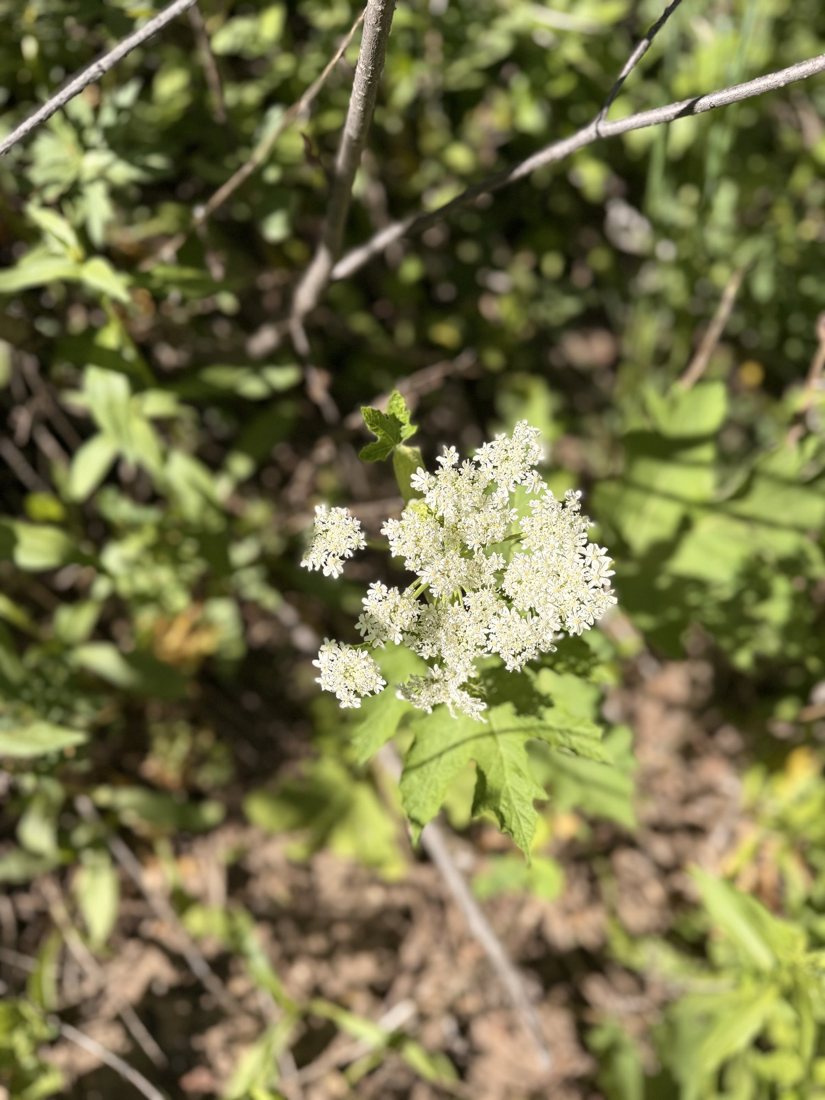
Wildflowers blooming in the Yampa Valley in summer
Summer comes on in the valley. — Photo: Joel Bernardini
Free guide

Get the Routt County Buyer's Guide

An honest, area-by-area read on Steamboat, Hayden, Oak Creek, Stagecoach and North Routt — what each place is really like, and what to weigh before you buy. Just your email; I'll send it right over.

One email, no spam — unsubscribe anytime. Prefer to talk? Call or text.

Planning a move to Routt County?

Tell me what your relocation looks like — timeline, remote-work needs, in-town or rural — and I'll give you a straight, practical read on the logistics and what to verify at any home you're considering. No pressure, no hype. Start with the Routt County guide, the Hayden area, or how to fly in nonstop.

Last updated: July 27, 2026