What it actually is
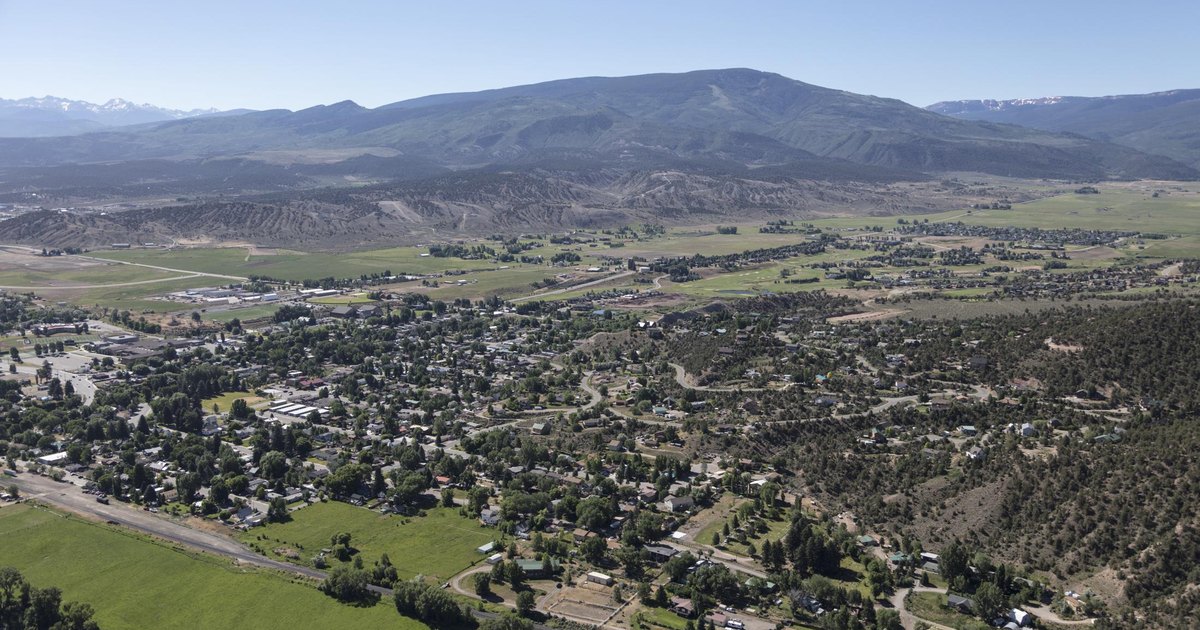
Gypsum is an incorporated town at roughly 6,300 feet (noticeably lower than Vail or Eagle) on the I-70/US-6 corridor along the Eagle River, at the far west end of the valley. Being lower and drier gives it a longer, warmer shoulder season than the higher resort towns; it reads much more like an everyday Colorado town than a ski destination. It's the last valley town before the highway drops toward Glenwood Canyon, which is a genuine part of its character: it's where the valley opens up and slows down.
Practically, Gypsum is the valley's utility hub. Eagle County Regional Airport (EGE), the fly-in gateway that serves Vail and Beaver Creek, is physically located here, and the town has drawn the kind of everyday retail (a Costco among it) and workforce and attainable housing that the resort cores don't have room for. That mix is exactly why Gypsum tends to be the most attainable of the valley towns: it's built around living and working, not around a lift. Neighborhoods range from older in-town homes to newer subdivisions and the Cotton Ranch area near Gypsum Creek Golf Course, each with its own product type, fees, and feel, so confirm which part of Gypsum a listing is in and what it actually costs today.
The real tradeoff is distance. Gypsum's value comes in large part from being the farthest valley town from the lifts: reaching Vail or Beaver Creek is a real drive, commonly 35 to 45 minutes or more depending on season and conditions, not a walk or a short hop. If ski-base proximity is your top priority, this isn't the address for it. If you want more house, more level ground, quicker airport access, and a genuine town over a resort base, Gypsum is the practical end of the valley. Treat any price or figure you see as a starting point and verify current numbers for the specific property and neighborhood.